




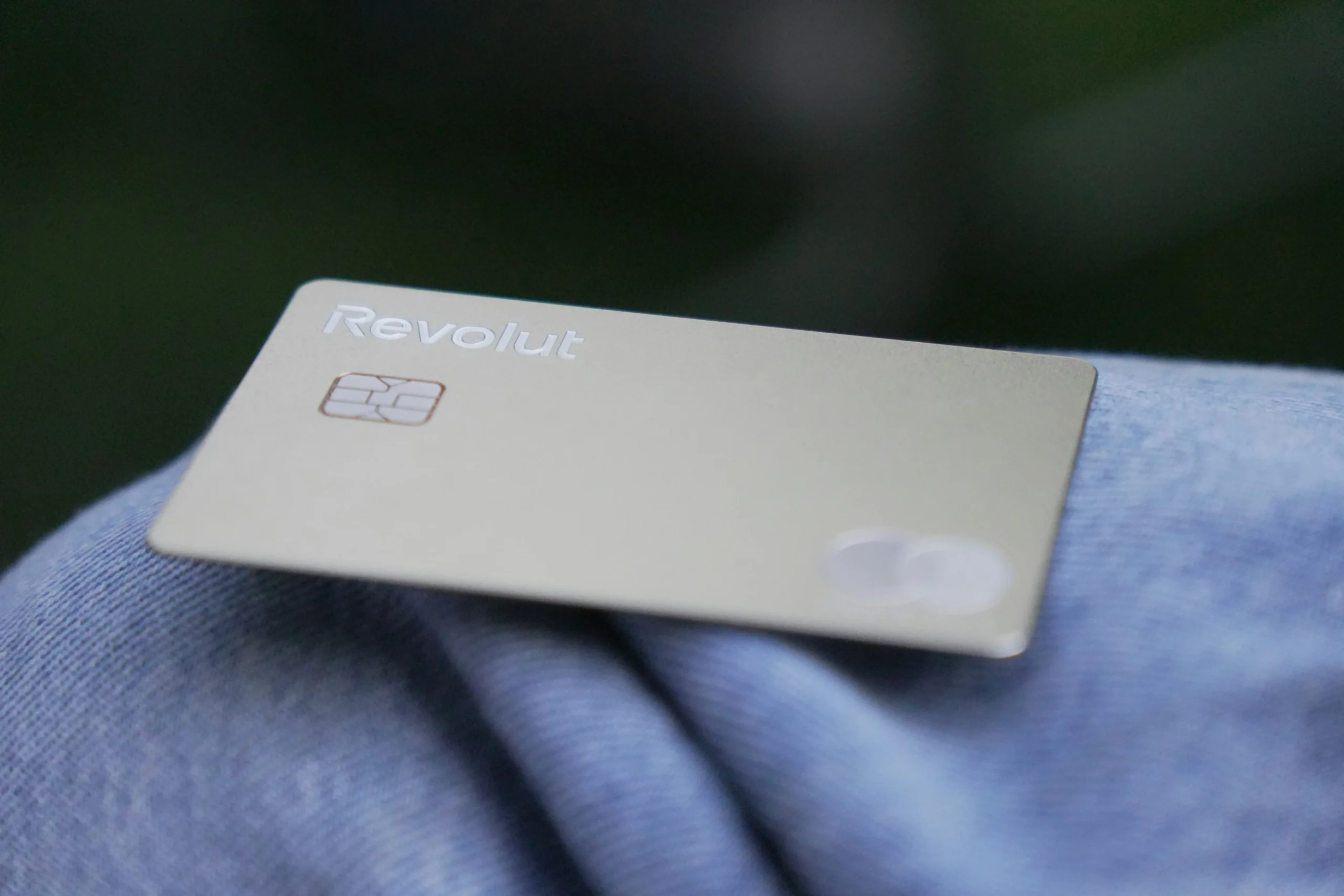


If you hold CHF and use Revolut to manage or spend euros, you do not necessarily have to use the same service for the currency exchange as well.
In some situations, it can make sense to separate the two needs: use Swimo to convert CHF into EUR and Revolut as the account where you receive and use the euros.
Swimo and Revolut: two different functions
Revolut is a multi-currency account that allows you to hold money in different currencies, make bank transfers, and use physical or virtual cards.
Swimo, on the other hand, is dedicated to currency exchange. The vIBAN is a technical transit account: it can receive CHF, convert them, and transfer the resulting amount in the selected currency to a personal destination account. It is therefore not designed to hold funds or to make payments directly.
This allows the two services to play different roles: Swimo for the exchange, Revolut for receiving and using the euros.
Let’s see why this combination can be useful.
1. You live in Italy, work in Switzerland, and want to receive your salary in euros on Revolut
Let’s start with the situation that is closest to the everyday life of a cross-border worker.
You live in Italy, receive your salary in CHF, and use Revolut to manage your expenses in euros. In this case, you can use Swimo as the link between your employer and your Revolut account.
The flow is: employer → Swimo vIBAN in CHF → CHF/EUR exchange → Revolut account in EUR
You can provide your employer with your Swiss Swimo vIBAN. When your salary arrives, the francs are converted and the euros are transferred to the personal account you have selected as the destination, which can be your Revolut account.
For a cross-border worker living in Italy, there is also an important difference to consider. Revolut’s new Swiss virtual IBAN is available to eligible customers residing in Switzerland. Working in Switzerland while living in Italy therefore does not automatically give you access to these account details.
If your employer requires a CH IBAN to pay your salary, Swimo can therefore be very useful when receiving the CHF.
The combination makes it possible to split the roles: Swimo receives and converts the salary, while Revolut receives the EUR and remains the account you use in everyday life.
2. You live in Switzerland and exchange a significant part of your salary every month
The situation changes if you live in Switzerland, already use Revolut, and regularly want to convert part of your income into euros.
With Revolut Standard in Switzerland, during the week you can exchange up to CHF 1,250 per month without additional fair usage fees. Above this threshold, a 1% fee is applied to the amount exceeding the limit.
For example, if you convert CHF 4,000 in one month, CHF 1,250 falls within the threshold included in the Standard plan. The remaining CHF 2,750 is subject to the 1% fee, equal to CHF 27.50.
In a situation like this, it can make sense to also check how much you would receive by making the exchange with Swimo and then having the EUR credited to your Revolut account.
If you choose Swimo, Revolut can continue to be the account where you hold and spend your EUR.
3. You live in Ticino and want to go shopping in Italy at the weekend
The same combination can also be interesting for an occasional exchange.
Imagine you live in Ticino and know that you will be going to Italy on Saturday. You have Revolut Standard, your balance is mainly in CHF, and you want to use your card to pay in euros.
If you do not have enough EUR at the time of purchase, Revolut can automatically carry out the conversion. With the Swiss Standard plan, however, exchanges made at the weekend are subject to an additional 1% fee. The same rule applies to conversions carried out automatically during a transaction.
If you already know that you will be spending euros at the weekend, you can therefore plan ahead: compare the CHF/EUR exchange, use Swimo for the conversion, and have the EUR transferred to your Revolut account before making your purchases.
At that point, Revolut can simply be used to spend the euro balance, without having to convert CHF at the time of payment.
Remember, however, that with Swimo you need to carry out the transaction far enough in advance for the funds to reach the destination account. The credit generally arrives within 24/48 business hours.
4. You need to exchange a small amount
If you make the conversion at the weekend or exceed the monthly threshold included in the Standard plan, Revolut applies additional fees. In these cases, exchanging with Swimo is more convenient.
For small amounts exchanged on weekdays while remaining below the monthly threshold of the Standard plan, the difference between the Revolut and Swimo exchange rates can be very small. In this kind of situation, the convenience of the service you already use may therefore be more important.
The principle remains the same: compare how many EUR you actually receive from the same amount in CHF, also taking into account when you make the exchange and any fees that apply.
So, when does it make sense to use Swimo and Revolut together?
There is no single answer. The convenience of combining the two services depends on the situation.
| Situation | Why consider Swimo + Revolut |
|---|---|
| You are a cross-border worker living in Italy and want your salary in EUR on Revolut | Swimo can receive the CHF via a CH vIBAN, convert them, and send the EUR to your Revolut account |
| You live in Switzerland and convert large amounts every month | Above CHF 1,250/month, Revolut Standard applies a 1% fee to the amount exceeding the threshold: you can compare the result with Swimo |
| You know you will be spending EUR in Italy at the weekend | You can convert the CHF beforehand and start the weekend with an EUR balance already available on Revolut |
| You need to exchange a small amount during the week | If you are below the threshold, Revolut may be the most immediate solution; comparing Swimo remains an option |
The advantage of combining the two services is therefore being able to choose separately how you exchange the money and how you use it.
If Revolut is convenient for you to hold and spend euros, you can continue using it. When you need to convert CHF into EUR, you can make the exchange directly with Swimo and then receive the euros in the same account.
Frequently asked questions
Can I receive the euros converted with Swimo in my Revolut account?
Yes, if you use your personal Revolut account as the destination account and provide the relevant details for receiving EUR. With Swimo, the converted funds are transferred to the personal account indicated as the destination.
I am a cross-border worker and live in Italy: can I receive my salary through Swimo and then have the euros sent to Revolut?
Yes. You can provide your employer with your Swimo vIBAN to receive your salary in CHF and indicate your personal Revolut account as the destination for the EUR after conversion. The Swimo vIBAN is a technical transit account, not an account where funds are kept.
Can I use Revolut to pay in euros after exchanging with Swimo?
Yes. Once the EUR have been credited to your Revolut account, you can use them for payments. This means the CHF/EUR conversion has already taken place before you spend the money.
Is the Swimo vIBAN a current account?
No. It is a technical transit account dedicated to currency exchange: it receives the funds, converts them, and transfers them to the personal destination account. It is not designed to hold funds.